
SAVING LIVES
Extending Emergency Response

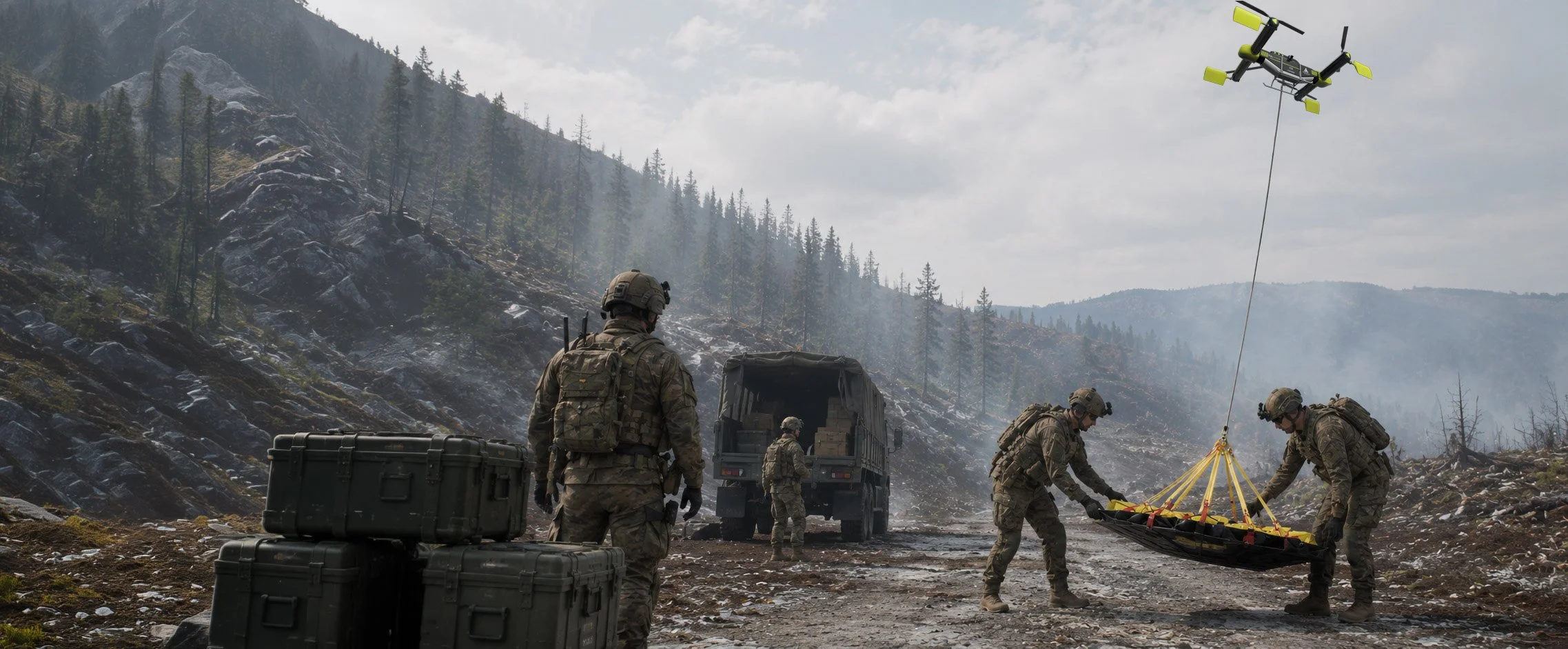
FireSwarm develops autonomous ultra heavy lift response capabilities designed to support emergency operations in environments where terrain, visibility, infrastructure damage, or operational risk prevent traditional systems from reaching people quickly enough. Combining dynamic mission coordination, autonomous aerial logistics, and heavy payload transport, the platform will support CASEVAC, emergency supply delivery, disaster response, and remote rescue operations while helping teams reduce response delays during critical moments.

Faster Support in Critical Moments
Faster Emergency Response
Deliver critical supplies, support, and transport capability into environments where delays can directly impact outcomes.

Operations in High Risk Conditions
Maintain operational capability in smoke, low visibility, remote terrain, and disaster affected environments.

Reduced Exposure to Crews
Reduce risk to responders and aviation crews by shifting dangerous transport and support operations to autonomous systems.
Closing Emergency Response Gaps
| Current Reality | FireSwarm Response | Why It Matters |
|---|---|---|
| Helicopters are grounded by smoke, darkness, or unsafe conditions | Autonomous aerial operations continue in difficult environments |
Maintain emergency support when traditional aviation cannot operate |
| Injured people wait hours or days for evacuation support | Rapid deployment supports faster CASEVAC coordination |
Reduce delays during critical response windows |
| Remote terrain limits access to emergency supplies and support | Ultra heavy lift logistics extend operational reach |
Deliver meaningful payloads where access is limited |
| High exposure missions increase risk to responders and pilots | Autonomous systems support dangerous transport operations |
Improve personnel safety during critical missions |
| Disaster environments disrupt roads and infrastructure | Rapid aerial deployment bypasses damaged access routes |
Sustain response capability during evolving emergencies |
| Response teams operate across changing and unpredictable conditions | Dynamic mission coordination supports real time adaptation |
Improve operational visibility and continuity |
Designed for Mission Critical Response
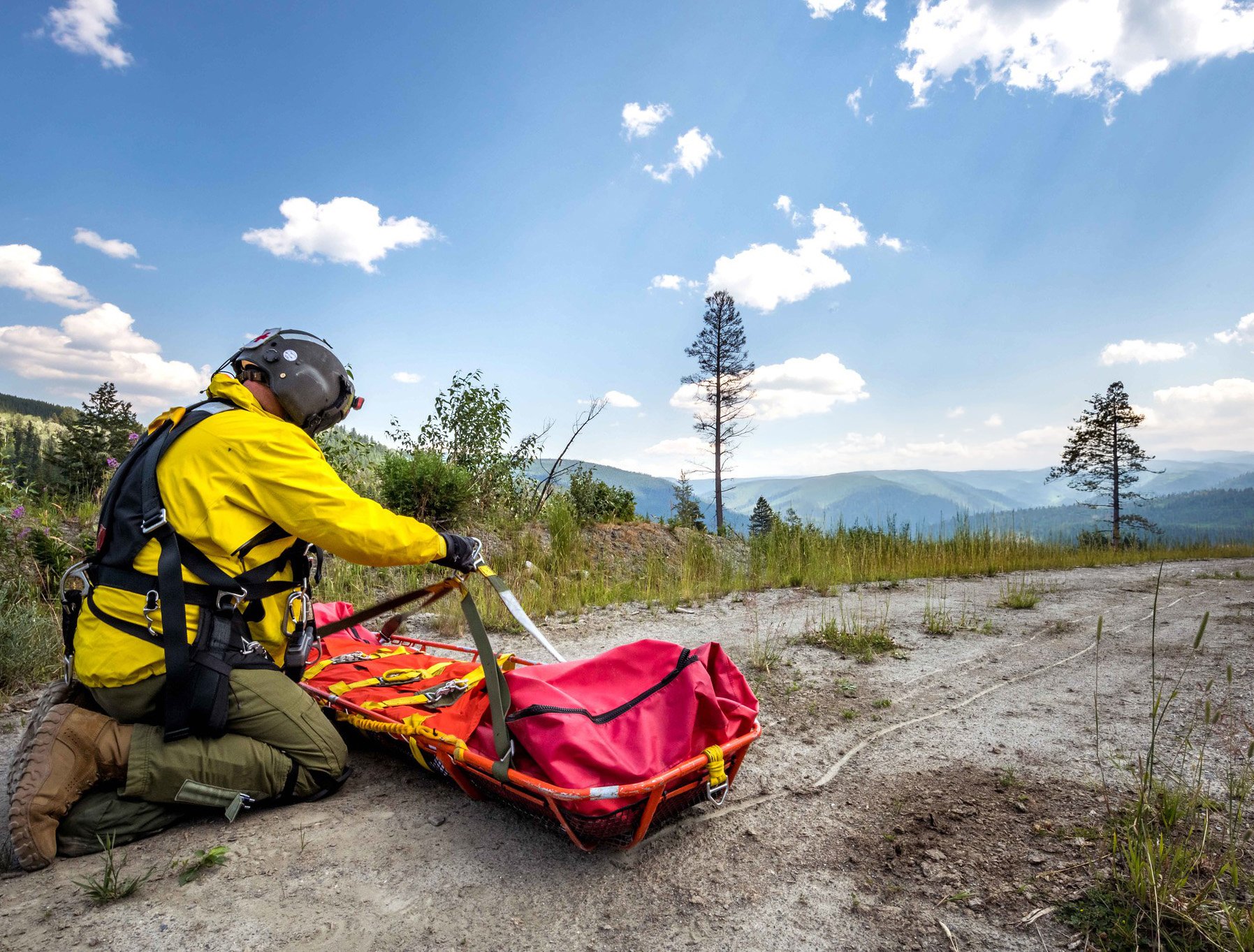
FireSwarm is developing systems to support emergency response operations where time, access, and safety constraints limit traditional systems. Combining autonomous ultra heavy lift logistics with real time mission coordination, the platform will help teams support CASEVAC, emergency delivery, and disaster response in environments where rapid action can save lives.